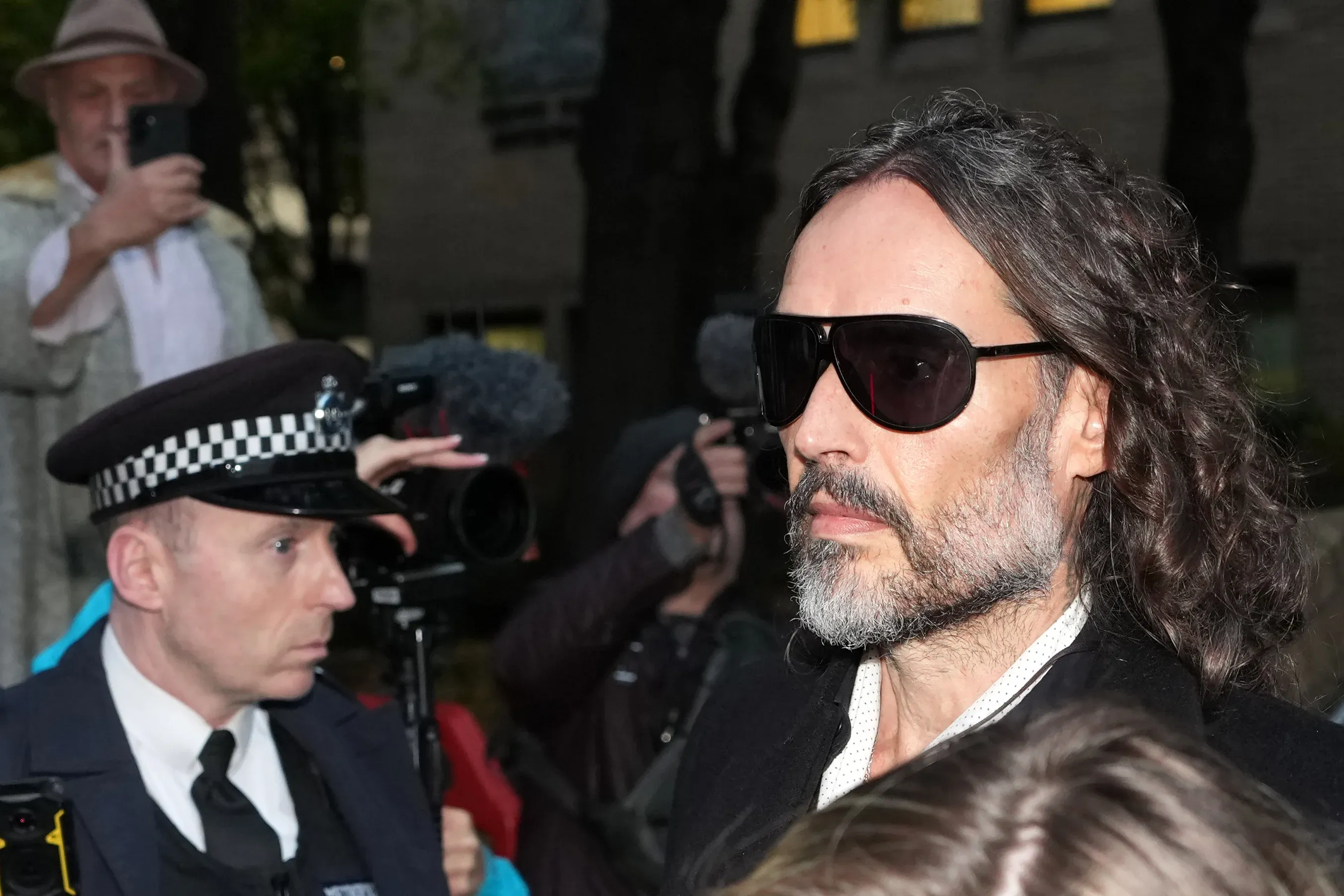
The Russell Brand conviction follows a four-week trial at Southwark Crown Court, where a jury found the comedian guilty of rape and three counts of sexual assault. The 51-year-old influencer faces a "significant custodial term," according to Judge Joel Bennathan, after being convicted of historic offenses occurring between 2004 and 2009. While Brand denied all charges, maintaining he never had sex without consent, the court proceedings detailed multiple instances of abuse in professional settings. The sentencing, scheduled for Monday, is expected to result in a substantial prison term based on UK sentencing averages for these offenses.
The details of the Southwark Crown Court verdict
The jury at Southwark Crown Court returned a guilty verdict on four specific charges against Russell Brand following a month-long trial. These convictions include one count of rape involving a woman who attended one of his comedy performances in 2009, and three counts of sexual assault occurring between 2004 and 2009. The trial examined a total of seven historic charges brought forward by six different women, though the jury acquitted Brand on two counts of rape and one count of attempted indecent assault.
The evidence presented during the trial established that the sexual assaults took place in various professional environments, including a radio station, a television studio, and a bar. These locations highlight the settings where the alleged abuses occurred during the height of Brand's media career. Throughout the proceedings, Brand maintained his innocence, asserting that all sexual encounters were consensual.
Breakdown of the trial charges and outcomes
| Charge Type | Verdict | Context/Year |
|---|---|---|
| Rape | Guilty | 2009 comedy show attendee |
| Sexual Assault | Guilty | Three separate incidents (2004–2009) |
| Rape | Not Guilty | Historic allegation |
| Rape | Not Guilty | Historic allegation |
| Attempted Indecent Assault | Not Guilty | Historic allegation |
Potential prison sentence and legal expectations
Judge Joel Bennathan has informed the 51-year-old defendant that he faces a "significant custodial term" following the guilty verdicts. While the specific length of the sentence will be determined on Monday, legal experts have provided estimates based on current United Kingdom sentencing trends. Although the maximum penalty for rape in the UK is life imprisonment, the average sentence for such offenses typically sits around 10 years.
Crime commentator and former BBC correspondent Danny Shaw suggested that Brand's actual sentence would likely fall within a specific range. According to Shaw, the comedian is expected to receive a prison term of between four and 13 years. This estimation takes into account the nature of the four convictions and the judicial guidelines governing sexual offenses in the UK.
Following the verdict, Brand's legal counsel requested bail to allow him to spend the weekend with his three children. However, Judge Bennathan denied this request, resulting in Brand spending his first weekend in a London prison cell. Observers noted that Brand displayed little emotion when the jury delivered its decision, though his wife, Laura, left the courtroom shortly after the announcement.
Allegations and investigations into Brand's conduct
The convictions in London follow a history of allegations regarding Brand's behavior and the use of his professional status. London police detective Andy Furphy addressed the media regarding the nature of the crimes, stating that Brand "used his influence, status and fame to prey on women — as his profile grew, so too did his sense of entitlement." This assessment characterizes the pattern of behavior alleged by the victims and investigators.
Beyond the UK proceedings, Brand has also faced accusations in the United States. In 2023, a woman identified as "Jane Doe" accused the comedian of sexually assaulting her while she was working as a film extra during the production of the 2010 film "Arthur." These allegations contributed to the broader scrutiny of his conduct during his rise to international fame.
Journalistic accounts of the trial experience
Journalists who covered the trial provided testimonies regarding the nature of the evidence and the atmosphere within the courtroom. Camilla Long, a journalist for The Sunday Times, described the experience of hearing the details of the case as one of the most "disgusting experiences" of her life. Long's reporting focused on the descriptions of how Brand allegedly grabbed, pushed, groped, and degraded his victims.
Long also raised questions regarding the delayed accountability for Brand's actions. In her column, she observed that the comedian had made loud declarations about himself, yet his behavior had been largely ignored for a significant period. This sentiment reflects the broader discussion regarding how influential figures can maintain their status despite mounting allegations of misconduct.
The impact on the Me Too movement and cultural context
The verdict has been characterized by many observers as a significant milestone for the #MeToo movement. This movement has focused on holding influential men accountable for using their power and status to commit sexual abuse. The conviction of a high-profile figure like Brand provides a high-visibility example of the movement's efforts to bring historic allegations into the judicial system.
The case also highlights the complexities of prosecuting historic sexual offenses, where the gap between the alleged incidents and the legal proceedings can span decades. The trial's focus on events from 2004 to 2009 underscores the challenges faced by survivors coming forward years after the initial misconduct. The intersection of celebrity status, professional influence, and sexual misconduct remains a central theme in the cultural discourse surrounding this case.