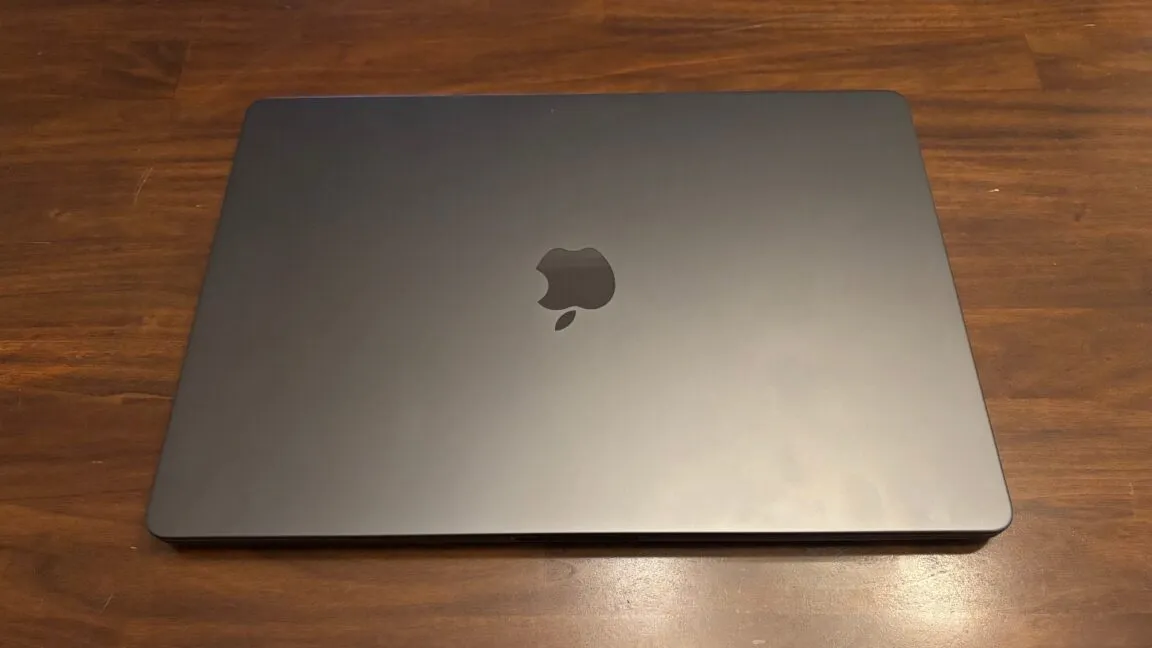
The new MacBook Pro offers premium hardware, most notably a tandem OLED display, but faces questions regarding its long-term value in a rapidly evolving AI landscape. While the M5 Pro and M5 Max chips deliver high performance for current workflows, the shift toward agentic artificial intelligence may make waiting for future architectures more prudent. The device features a new touchscreen capability and a lighter chassis, yet high configuration costs for RAM and storage push it into professional-only price brackets. Whether to purchase now depends on balancing immediate display needs against the potential for significant AI-focused hardware improvements in 2027.
Hardware performance and the AI future-proofing dilemma
The 2026 MacBook Pro utilizes the M5 Pro and M5 Max chips, which provide sufficient power for standard professional workflows and most 3D tasks. Synthetic benchmarks indicate no meaningful performance difference between these new chips and their immediate predecessors. Connectivity remains consistent with previous models, including three Thunderbolt ports, one HDMI port, one SDXC slot, and MagSafe, alongside the N1 chip for Wi-Fi 7 and Bluetooth 6 support.
Despite the current speed, the rapid evolution of local and agentic artificial intelligence introduces uncertainty regarding how long these chips will remain cutting-edge. The hardware architecture of the industry is currently being revisited to accommodate new AI-driven workflows, creating a gap between current capabilities and future requirements.
The roadmap for Apple silicon and AI inference
According to Bloomberg’s Mark Gurman, Apple is expected to skip Pro and Max versions of the M6 chip to focus on a significant rework for the M7 line due in 2027. This upcoming M7 series is reportedly designed around major advancements in on-device AI processing, with a specific emphasis on increasing memory bandwidth to facilitate faster and more efficient AI inference. This follows a pattern seen in the recently debuted A20 Pro for iPhones, which featured a substantially improved Neural Engine and increased memory bandwidth to boost performance in AI and 3D graphics tasks. For users heavily invested in AI-centric workflows, this suggests that waiting for the 2027 refresh might yield more significant architectural advantages than the incremental M5 update.
The tandem OLED display and visual precision
The standout feature of the new MacBook Pro is the tandem OLED display, a panel utilizing two emissive layers to achieve superior brightness and longevity. This technology allows the display to reach a peak brightness of 2,000 nits for HDR highlights while maintaining a rated sustained brightness of 1,000 nits. By sharing the electrical load between the two layers, Apple aims to reduce the risk of pixel burn-in and extend the overall lifespan of the panel.
Unlike the previous MiniLED implementation, the OLED architecture provides per-pixel illumination, enabling absolute black levels and exceptional contrast. The display supports both P3 and Adobe RGB color gamuts and features a variable refresh rate ranging from 10 to 120 Hz. Users can also opt for a nano-texture glass version to mitigate glare for an additional $150.
| Display Specification | Detail |
|---|---|
| Technology | Tandem OLED (dual emissive layers) |
| Peak Brightness (HDR) | Up to 2,000 nits |
| Sustained Brightness | 1,000 nits |
| Refresh Rate | 10–120 Hz (variable) |
| Color Gamuts | P3 and Adobe RGB |
The visual experience is characterized by vibrant colors, inky blacks, and high uniformity, comparable to ultra-high-end reference monitors. While Apple uses the proprietary "PROLED XDR" branding for this technology, the hardware itself represents a significant leap in laptop screen quality.
Physical design and portability improvements
The physical footprint of the MacBook Pro remains largely unchanged from its predecessor, maintaining similar dimensions and a lid design that appears identical when closed. However, the device is noticeably lighter, weighing approximately half a pound less than the previous generation. This weight reduction is attributed in part to the transition to the new display technology.
While the laptop is slightly thinner, the change is subtle enough that it is difficult to perceive without a side-by-side comparison or a detailed review of the technical specifications. The addition of a touchscreen—a departure from Apple's historical design philosophy—marks a significant shift in how the device can be interacted with, though it sits within a chassis that remains firmly rooted in traditional laptop paradigms.
Cost considerations and market positioning
The MacBook Pro remains a high-cost investment, particularly when users configure the machine with the RAM and storage necessary to handle modern professional workloads. For many consumers, the price point is a primary barrier to entry. When configured for longevity, the cost pushes the device into a category that is often only accessible to well-funded businesses rather than individual consumers.
Purchasing decisions in the current market are complicated by two diverging factors: the immediate high quality of the hardware and the potential for rapid technological shifts in AI. For professionals whose primary requirement is the industry-leading display, the current model is a definitive choice. However, for those whose work is increasingly defined by AI processing, the high cost of entry may make the current generation a risky purchase compared to the anticipated architectural shifts expected in the coming years.