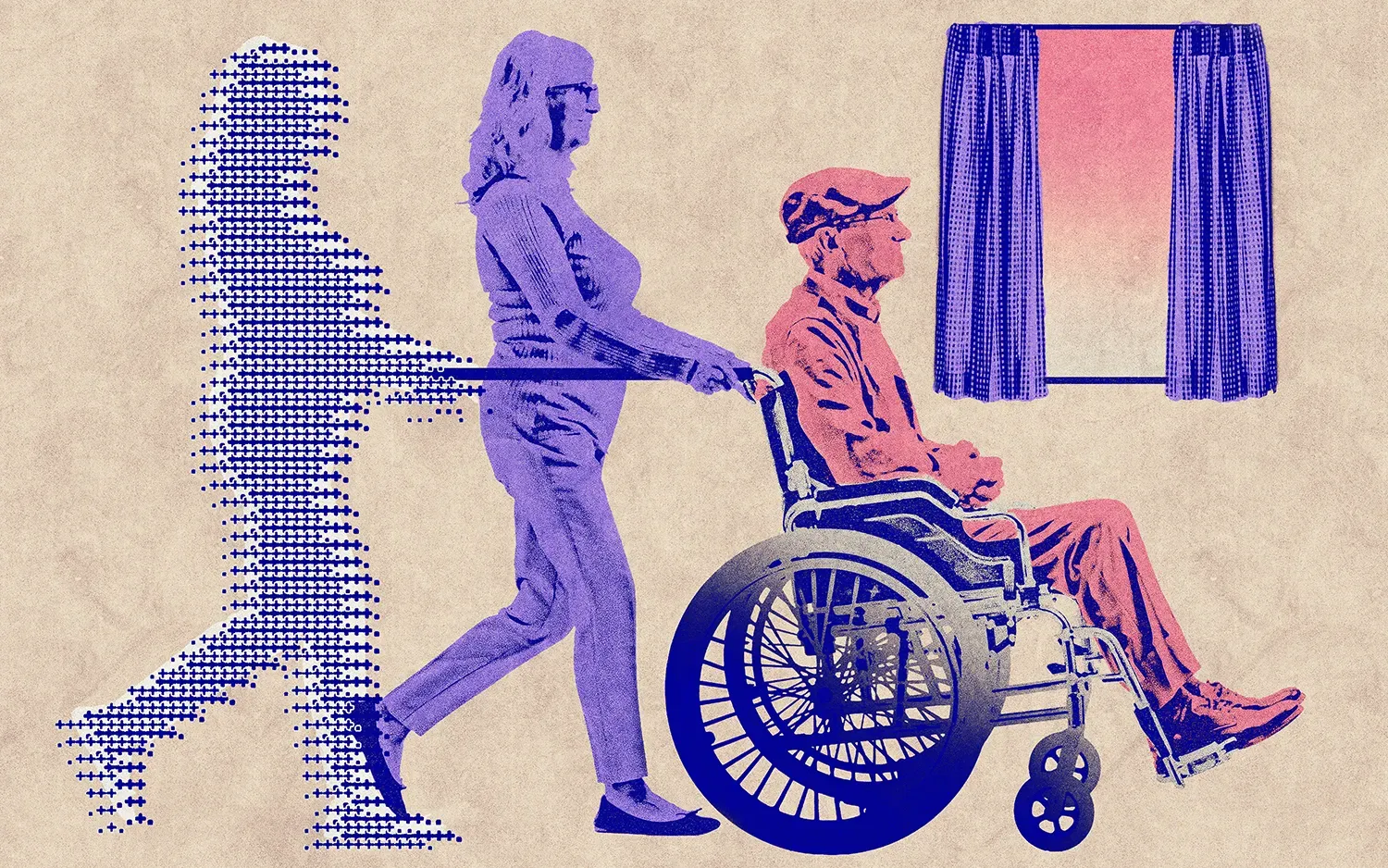
The apps and platforms that help family caregivers manage their loved ones’ needs are becoming more capable, but the broader issue of caregivers’ well-being remains unsolved. While new tools use artificial intelligence to automate scheduling and medication tracking, they cannot replace human connection or physical presence. As the population ages, these digital assistants attempt to mitigate the exhaustion felt by millions. However, technology alone cannot fix the systemic lack of support and the profound emotional toll that long-term caregiving imposes on families.
The growing burden of the caregiver crisis
Caregiving is a massive, often invisible undertaking in the United States. According to AARP, an estimated 63 million Americans were caring for adults or children with a medical condition or disability in 2025. On average, these caregivers dedicate up to 27 hours per week to providing care. This crisis is characterized by complex, ongoing needs that can lead to poor health, financial strain, and profound isolation for the caregivers themselves.
For many families, the struggle involves managing a constant stream of medical specialists, procedures, and therapies while simultaneously working jobs, raising teenagers, and managing a household. To address this mental load, a new wave of digital tools is emerging, aimed at supporting those managing seniors, children, or any diagnosis requiring regular oversight.
Diverse digital tools for specialized caregiving needs
Caregiver apps are diversifying to address specific requirements ranging from medication adherence to complex medical history management. For instance, Medisafe, established in 2013, focuses on medication tracking, providing reminders and a drug interaction checker to ensure safety. The program can also notify a caregiver if a dose is missed, while allowing users to track symptoms, medical appointments, and maintain a list of healthcare contacts and measurements.
Other platforms prioritize coordination and communication between family members to ensure everyone stays informed without constant verbal updates.
- Caring Village: Founded in 2015, this platform offers an appointment calendar, a to-do list, and a wellness journal where users can track a loved one’s symptoms and moods, even uploading photos. Caregivers can assign tasks, create care plans, and receive medication reminders. It also includes an AI assistant named Julia to answer caregiving questions.
- Mejo: Co-created in 2022 by Bret Koncak—drawing on his experiences with his two sons who have complex needs—this web-based app focuses on the time between clinical visits. Users enter medical history, which is consolidated into a one-page summary shareable with doctors and therapists. For $6 a month or $60 a year, the premium version offers daily journaling that can be shared among caregivers to keep the entire team on the same page.
- Briggzy: Currently in the testing phase, this app is being developed by Brett Rowell to help him and his wife hand off care more effectively. Rowell, whose son has cerebral palsy, aims to launch the app to a wider community in 2027 to help caregivers manage complex tasks like medical questionnaires when they are working different hours.
While these tools aim to streamline daily operations, the effectiveness of the software often depends on the user's ability to input data consistently.
The rise of AI-driven 'health teammates'
Artificial intelligence is moving beyond simple reminders toward proactive assistance in managing chronic and rare diseases. Citizen Health, launched in 2024 by Nasha Fitter and cofounder Farid Vij, focuses on collecting and securing medical records in a portal. By extracting, de-identifying, and harmonizing information from these records, the company aims to help patients understand the trajectory of their child's disease and supports research for drug development through patient advocacy groups.
Six months ago, the company launched Ari, an AI "health teammate" currently in beta. Ari allows caregivers and patients to track care and symptoms through text messaging. The tool can access medical records, patient portals, and Google Calendar events, such as specific appointment dates and surgeries. By noticing patterns—such as how the timing of medication might impact symptoms—Ari provides a more analytical layer to daily care.
AI capabilities in modern caregiving platforms
Current AI implementations in this sector are targeting several specific administrative and analytical pain points:
- Data Harmonization: Extracting and de-identifying information from medical records to help patients understand disease trajectories.
- Appointment Preparation: Summarizing past medical information and generating appropriate questions for caregivers to ask medical professionals during visits. Koncak’s team at Mejo is also looking into using AI to help users formulate these questions.
- Logistical Support: Assisting with the navigation of insurance and government benefits.
- Pattern Recognition: Analyzing how behavioral or medication changes impact a patient's physical symptoms.
While Ari is currently limited to those with rare diseases, the ultimate goal is to make such AI-driven assistance available to all caregivers and patients.
Privacy risks and the burden of manual maintenance
The integration of AI into caregiving introduces significant concerns regarding data security and the practical reality of app maintenance. I. Glenn Cohen, a bioethics and health law researcher and professor at Harvard Law School, notes that most of these tools are not classified as medical devices. Consequently, they have not undergone FDA review, meaning their safety and efficacy remain a question mark, and users must rely on the manufacturer's claims.
Furthermore, the "mental load" of caregiving is not always lightened by new technology. Because much of the data entered into these apps is collected at home rather than by a covered medical entity, it is often not protected by federal HIPAA statutes. Cohen warns that users should go into the process with their eyes open, especially regarding the risks associated with products that are free or inexpensive.
There is also the issue of the labor required to keep these systems functional. Many apps require constant manual updates to remain useful. Since healthcare professionals—such as visiting nurses or hospital discharge planners—rarely log into these private apps, the responsibility for data entry falls entirely back on the already overloaded caregiver.