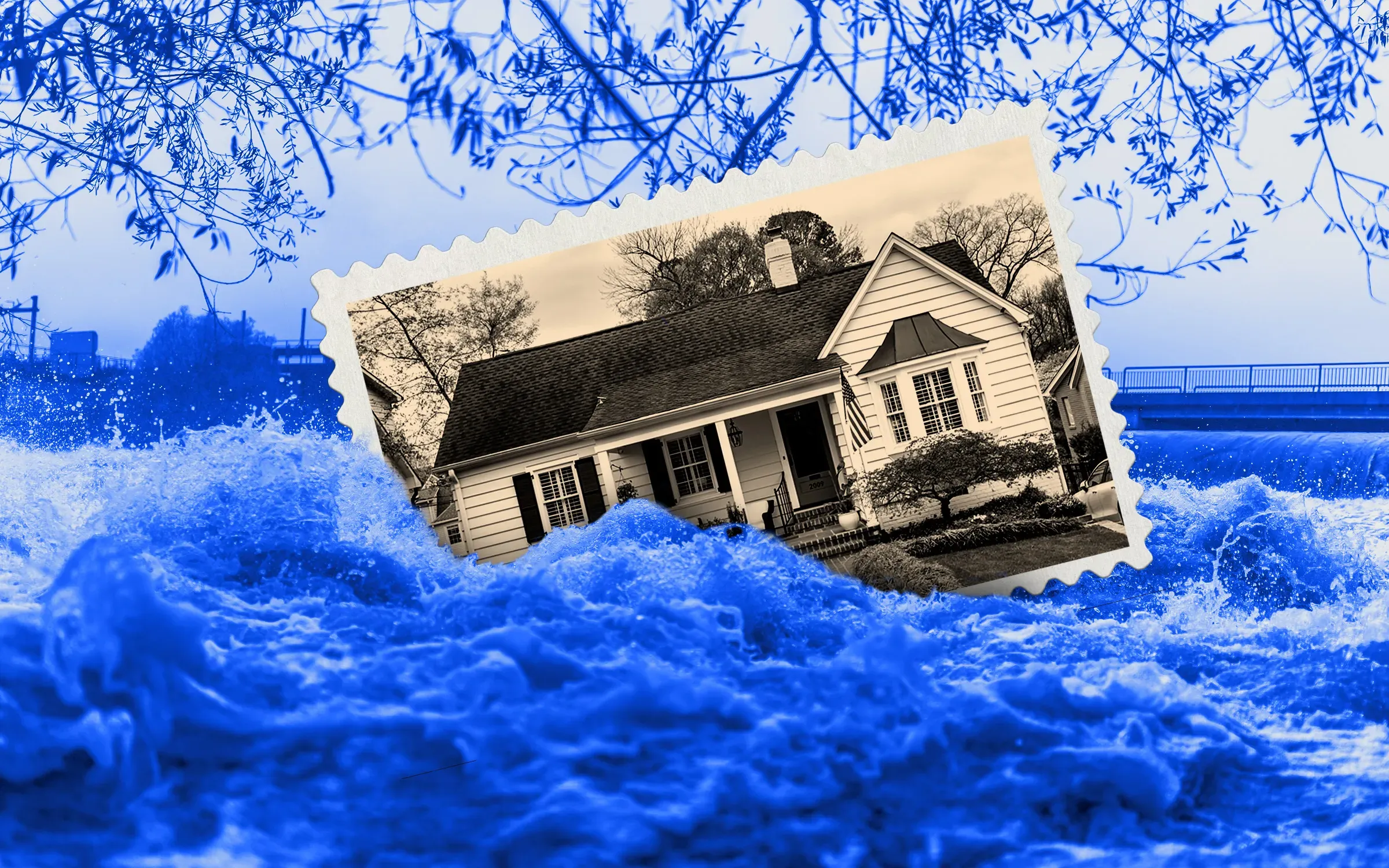
The American Dream and climate change are increasingly at odds as environmental disasters threaten residential real estate stability. Climate risks could reduce the value of American homes by nearly $1.5 trillion by 2055, according to a report by First Street. This projected devaluation transforms homeownership from a primary vehicle for wealth accumulation into a potential financial trap for many families. As extreme weather events like floods and wildfires increase, the traditional promise of generational prosperity is being undermined by rising insurance costs and property instability.
The economic devaluation of climate-vulnerable properties
Climate-related hazards are beginning to manifest in tangible shifts in real estate valuations across the United States. According to a 2023 study published in the journal Nature Climate Change, homes located within FEMA’s high-risk flood zones sell for an average of 2.8 percent less than comparable properties outside these zones. Despite this observable trend, the study noted that homes exposed to flood risks remain significantly overvalued, with an estimated gap between $121 billion and $237 billion.
This overvaluation is particularly acute in certain geographic regions. Researchers identified Appalachia as a specific hotspot for such overvaluation prior to the impact of Hurricane Helene in 2024. The discrepancy between market price and actual environmental risk suggests that many homeowners may be entering contracts without a full accounting of future climate liabilities.
Regional volatility in home prices
The impact of environmental disasters is already visible in local market data. In western North Carolina, the aftermath of Hurricane Helene has caused home values to decline in the hardest-hit counties. While the national average home price increased by 1.2 percent over the past year, Asheville’s average home price saw a 5 percent contraction. This divergence highlights how localized climate events can decouple regional markets from broader national trends.
The financial fallout of Hurricane Helene in North Carolina
Hurricane Helene demonstrated the severe financial vulnerability of communities that rely on homeownership for stability. In western North Carolina, the storm damaged more than 74,000 homes, yet only approximately 4 percent of these properties were covered by flood insurance. This lack of coverage resulted in an estimated $9.5 billion in uninsured residential property losses.
The disaster also challenged the concept of "climate havens." Many residents moved to areas like the Blue Ridge Mountains, believing they would be shielded from the coastal threats of hurricanes. However, the storm delivered nearly 14 inches of rain over a three-day period in September 2024, causing the French Broad River to overflow and destroy significant portions of Asheville’s River Arts District. The event serves as a case study for how even inland, mountainous regions can face catastrophic flooding risks.
Sociological shifts and the perception of the American Dream
Public perception of the relationship between environmental stability and economic aspiration is shifting. Exclusive polling conducted for Grist by the think tank Data for Progress indicates that 58 percent of likely U.S. voters believe climate change will hinder their ability to achieve the American Dream over the next 20 years. This sentiment is not limited to a single political demographic; 42 percent of Republicans surveyed expressed similar concerns.
Sociologist Rebecca Elliott of The London School of Economics and Political Science suggests that this shift could turn the dream of homeownership into a "nightmare." The concern is that homes, traditionally viewed as assets, could become economically worthless even before they are physically destroyed. This phenomenon was observed following Superstorm Sandy in 2012, where many homeowners in New York and New Jersey found themselves unable to sell their damaged properties for enough capital to relocate, effectively trapping them in high-risk zones.
The conflict between fossil fuel narratives and climate reality
A fundamental tension exists between the historical promotion of fossil fuels and the current environmental reality. For over a century, oil and gas companies have campaigned to link fossil fuel consumption to American prosperity and comfort. This narrative has been echoed by political figures, including the administration of Donald Trump, which has characterized efforts to regulate emissions as threats to the American Dream.
However, the reliance on fossil fuels has contributed to the very instability now threatening property values. The increased frequency of wildfires, floods, and extreme weather events—driven by greenhouse gas emissions—is creating a period of precarity. This instability disrupts the core promise of the American Dream: that each successive generation will enjoy a higher standard of living than the last.
| Metric/Event | Data/Impact | Source/Context |
|---|---|---|
| Projected US Home Value Loss (by 2055) | $1.5 trillion | First Street report |
| Uninsured property losses (W. North Carolina) | $9.5 billion | Hurricane Helene aftermath |
| Homes damaged in W. North Carolina | 74,000+ | Hurricane Helene aftermath |
| Flood zone price discount | 2.8% average | Nature Climate Change (2023) |
| Asheville home price change (annual) | -5% | Post-Helene market data |